Transaction Choices Influencing Game Selections Among UK Online Players
Klara Griffin · Aug 22, 2026
Transaction Choices Influencing Game Selections Among UK Online Players
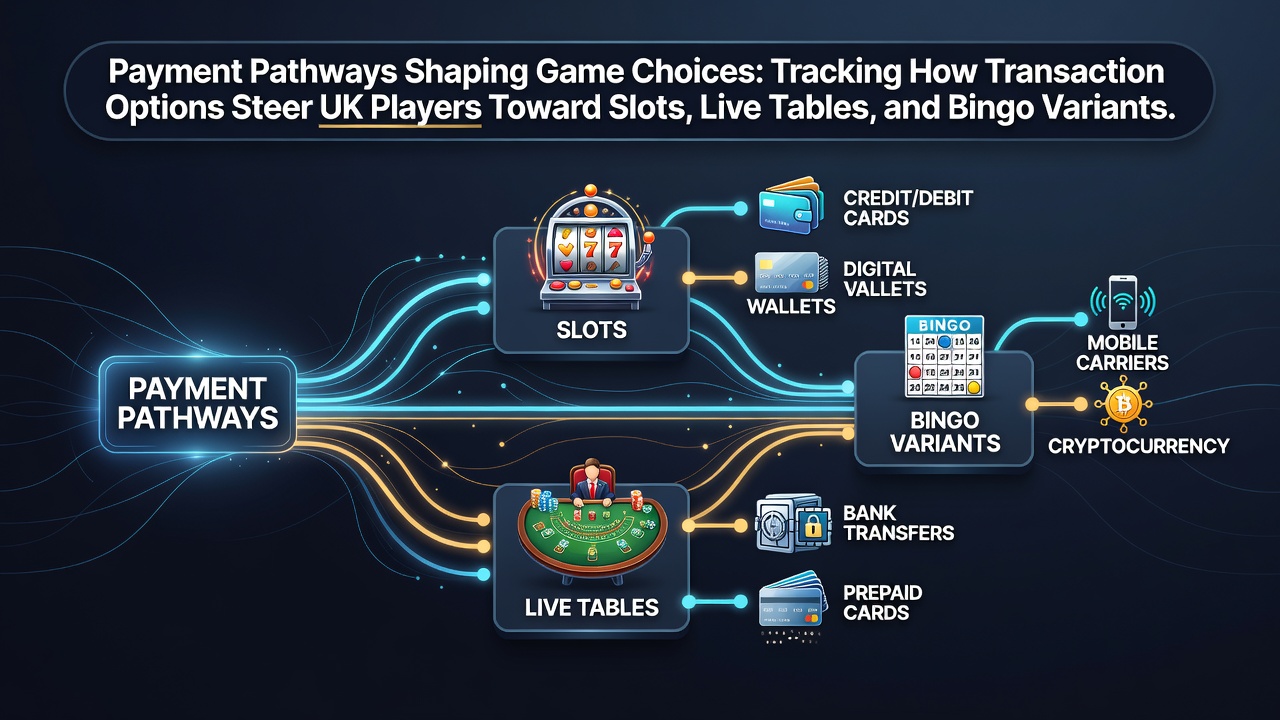
Payment methods available on UK gaming sites continue to evolve in ways that align closely with player preferences for particular game types and this alignment shows up in participation patterns tracked through 2026. Fast processing times associated with digital wallets often connect to higher engagement with slots while slower verification steps linked to bank transfers appear more common among those who favor live table games. Bingo variants draw players who rely on mobile payment solutions that support quick deposits during short sessions and these patterns emerge from industry reports compiled in recent months.
Slots and Instant Payment Preferences
Slots remain the most frequently selected category when players choose methods that complete transactions in seconds and this trend holds because automated systems allow repeated small stakes without delays. E-wallet options such as those integrated with major platforms reduce friction during bonus rounds and this reduction leads operators to promote slots more aggressively to users who select those pathways. Data collected by the Australian Gambling Research Centre indicates that regions with widespread digital wallet adoption see slot participation rates climb by measurable margins compared to areas where card-only options dominate. One analysis released in early August 2026 highlighted how UK sites that added new instant transfer features recorded immediate upticks in slot volume while other categories stayed steady.
Those who study transaction logs note that slots benefit from the ability to handle micro-payments efficiently and this efficiency matches the fast-paced nature of the games themselves. Credit card usage still appears in the mix yet it tends to pair with larger single bets rather than extended sequences of smaller ones. Observers tracking platform analytics find that sites offering multiple wallet integrations attract a broader slice of slot enthusiasts and this attraction stems from reduced wait times between spins.
Live Tables and Secure Transfer Routes
Live table games draw players who select payment routes that emphasize verification and higher transaction limits and these routes often involve direct bank connections or specialized accounts designed for larger movements. Security protocols built into these methods align with the higher stakes common at blackjack and roulette tables where session totals can exceed those typical in slots. Research from the Canadian Centre for Gaming Research shows that participants using verified bank transfers spend longer periods at live tables because the setup process encourages more deliberate play styles. In August 2026 reports from platform operators revealed steady growth in live dealer traffic among users who completed identity checks through traditional banking channels rather than instant apps.
Table games require consistent connections and this requirement favors payment systems that maintain stable links across devices. Players who opt for these methods report fewer interruptions during dealer interactions and such stability supports the social elements that define live formats. Industry data further indicates that average session lengths at live tables increase when funding occurs through routes that include additional confirmation steps.
Bingo Variants and Mobile Payment Integration
Bingo platforms attract users who combine mobile payment services with games that run in short bursts and these services allow deposits directly from phone balances without separate app switches. The structure of bingo rooms with their community draws and progressive jackpots fits payment flows that complete quickly during breaks or commutes. Figures released by the European Gaming and Betting Association in mid-2026 pointed to rising bingo participation in markets where pay-by-phone options expanded and this rise coincided with broader mobile device usage across age groups.
Hybrid bingo variants that mix traditional number calls with slot-style features gain traction among players who use the same mobile wallets for both deposits and withdrawals. These variants benefit from payment pathways that support instant balance updates and such updates keep players engaged across multiple rooms. Platform records show that bingo traffic spikes when new mobile payment partnerships launch and this spike occurs because the games themselves reward frequent small actions.
Cross-Category Patterns Emerging in 2026
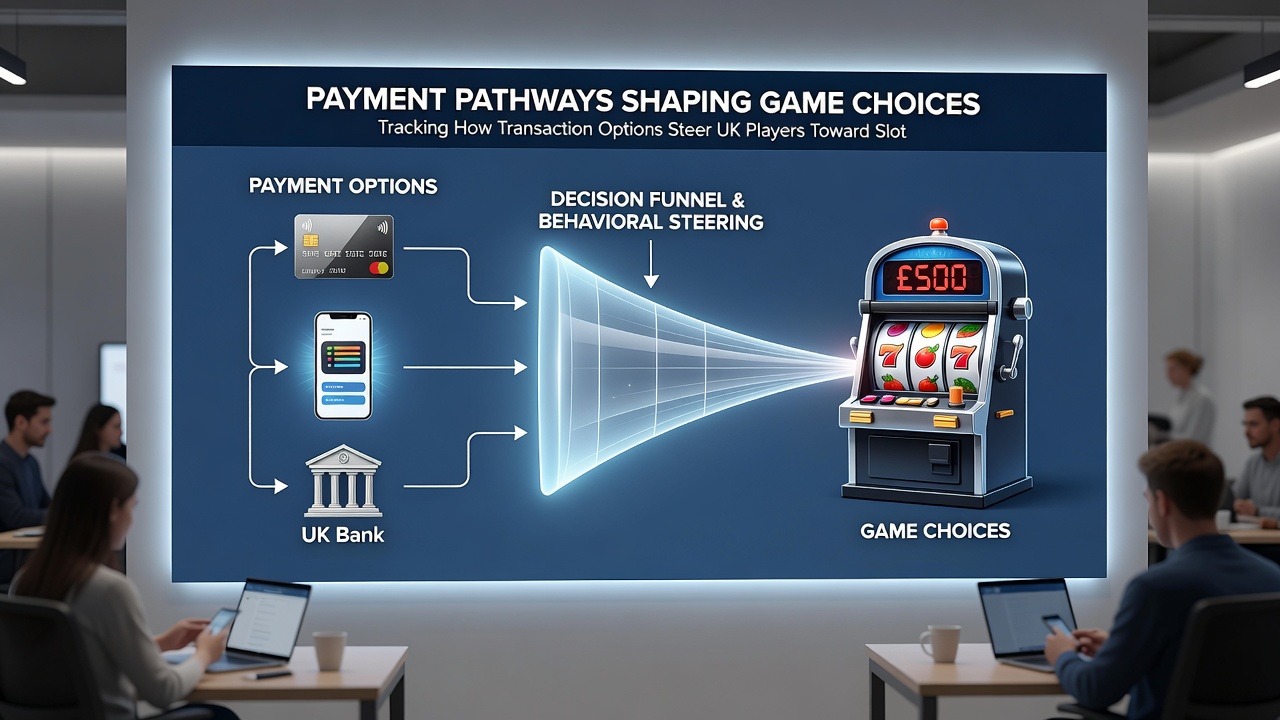
Payment pathway data collected across UK sites reveals overlaps where certain methods steer users toward multiple categories depending on time of day and device type. Morning sessions often feature wallet-funded slots while evening activity shifts toward live tables funded through bank routes. Bingo maintains consistent mobile-driven traffic throughout the day and this consistency reflects the format's flexibility with short attention spans. Academic papers from university gaming studies departments have begun mapping these shifts and early findings suggest that payment friction directly correlates with game abandonment rates across all three categories.
Operators continue to adjust promotional structures around these observed connections and such adjustments include targeted bonuses that match specific payment types to preferred games. The result appears in aggregated statistics that show clear segmentation based on transaction speed and security level rather than random distribution across game libraries.
Conclusion
Payment options available on UK platforms shape game selection through measurable differences in speed, security, and device compatibility and these differences produce distinct participation clusters for slots, live tables, and bingo variants. Continued monitoring of transaction data through late 2026 will clarify whether new payment technologies further refine these patterns or introduce fresh combinations across categories.