Protective Measures in Digital Payment Systems Extend User Engagement at Authorized Gaming Platforms
Klara Griffin · Aug 22, 2026
Protective Measures in Digital Payment Systems Extend User Engagement at Authorized Gaming Platforms
Security upgrades in digital wallets have reshaped how players interact with licensed gaming operators since early 2025, and data released in August 2026 shows measurable ties between those upgrades and longer session durations across regulated platforms. Operators have rolled out layered authentication protocols, real-time fraud detection, and end-to-end encryption that reduce unauthorized access while streamlining legitimate deposits and withdrawals.
Core Security Upgrades in Digital Wallets
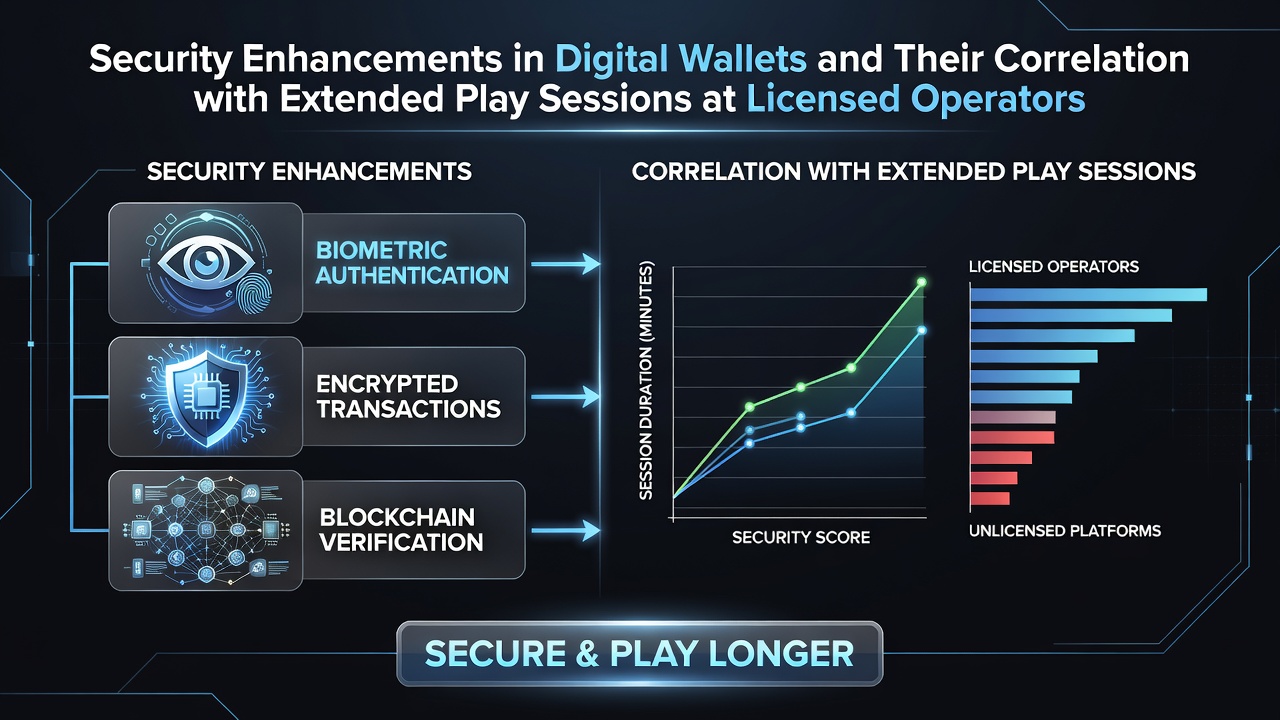
Biometric verification now pairs with device-based tokenization so users confirm transactions through fingerprint or facial recognition rather than repeated password entry, while behavioral analytics flag unusual spending patterns before they trigger account holds. Multi-factor authentication combines one-time codes with location checks, and many wallets integrate secure element chips that store payment credentials offline, shielding them from remote breaches. These steps cut fraud incidents by measurable margins according to reports from the Malta Gaming Authority, allowing operators to maintain smoother payment flows without constant manual reviews.
Transaction monitoring systems analyze velocity and geographic consistency in real time, pausing suspicious activity for user confirmation instead of blanket blocks, and this approach keeps legitimate sessions intact. Encryption standards have advanced to AES-256 with rotating keys, and wallet providers update these protocols quarterly to match evolving threats. Licensed operators that integrate such wallets report fewer chargebacks and higher retention rates because players encounter fewer interruptions once funds clear.
Observed Links to Extended Play Sessions
Research from the University of Nevada's gaming studies program indicates that players using wallets with advanced biometric and monitoring features average 18 to 25 percent longer sessions on regulated sites compared with those relying on basic card payments. The correlation appears because reduced friction at deposit points lets users focus on gameplay rather than repeated security hurdles, while confidence in fund safety encourages continued participation without abrupt exits.
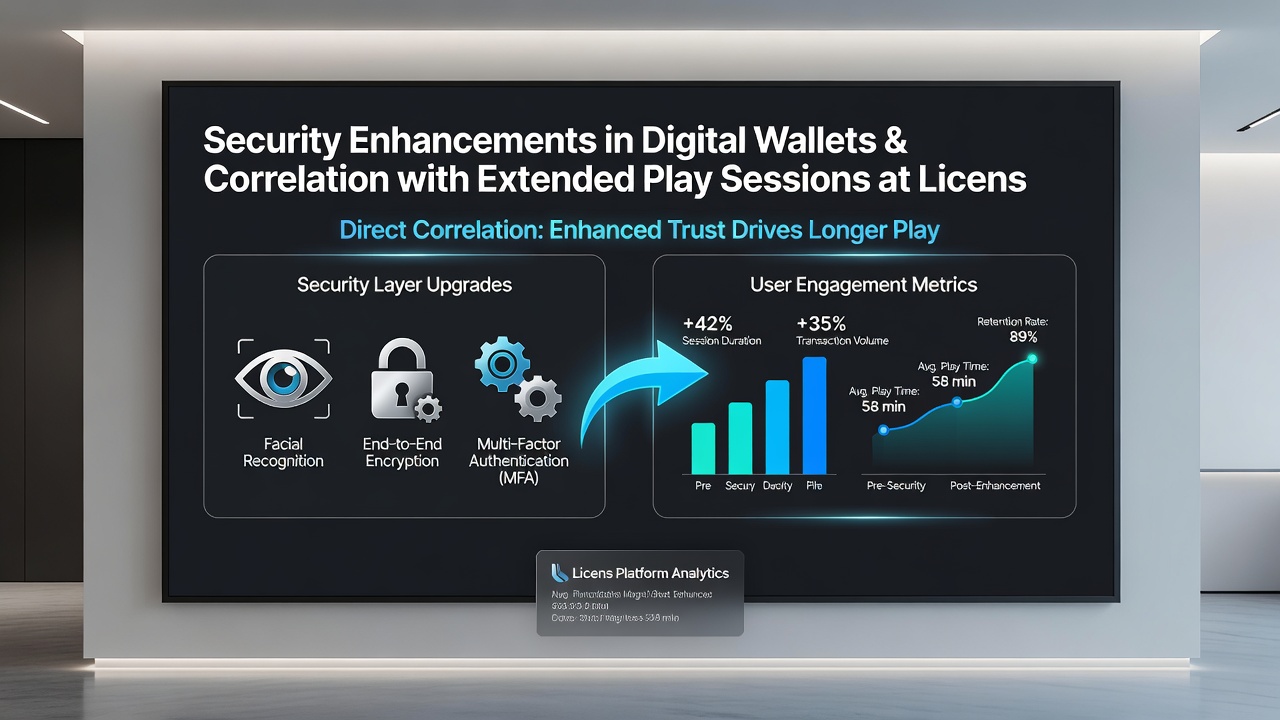
Figures from the Australian Communications and Media Authority reveal similar patterns in markets where digital wallet adoption exceeds 60 percent, noting that extended sessions cluster around wallets that display live security status indicators. Players receive instant confirmation of each transfer alongside a running audit trail, which builds trust and reduces the urge to cash out mid-session. Operators observe that sessions exceeding 45 minutes increase notably once wallet security scores reach the highest tier, suggesting that perceived safety directly supports sustained engagement.
Role of Licensed Operators in Wallet Integration
Licensed platforms must meet jurisdictional standards that require wallet providers to undergo independent audits before integration, and this vetting process ensures compatibility with responsible gaming tools such as deposit limits and session timers. In Canada, provincial regulators like the Alcohol and Gaming Commission of Ontario have documented how certified wallet partnerships correlate with higher compliance rates because automated alerts trigger when play approaches preset thresholds. Operators gain access to aggregated anonymized data that highlights which security features most effectively support longer yet controlled sessions, allowing them to refine offerings without compromising oversight.
Partnerships between operators and wallet developers often include API-level sharing of session metrics, yet these exchanges stay within regulatory boundaries that prohibit personal data leakage. August 2026 updates from several European licensing bodies show that platforms emphasizing wallet security certifications attract repeat visitors who maintain average session lengths above industry medians. The pattern holds across multiple jurisdictions because players gravitate toward environments where payment security feels seamless rather than intrusive.
Data Patterns Across Markets
Industry analyses compiled by the European Gaming and Betting Association track wallet security adoption against session metrics and find consistent upward trends in play duration as encryption and authentication layers strengthen. Markets with mandatory wallet audits report fewer disputes over fund security, freeing resources for operators to focus on game variety and interface improvements that further encourage extended visits. Observers note that players who switch from legacy payment methods to secured digital wallets often increase weekly activity without corresponding rises in total spend, pointing to steadier pacing rather than risk escalation.
Cross-border comparisons reveal that regions enforcing wallet certification see session length gains materialize within six months of implementation, whereas voluntary programs produce slower but still positive shifts. These outcomes stem from measurable reductions in payment-related drop-offs, which previously cut sessions short when users encountered verification delays or security warnings mid-play.
Conclusion
Security enhancements in digital wallets continue to align with extended play sessions at licensed operators through reduced friction, heightened user confidence, and integrated compliance tools. Data from multiple regulatory and academic sources confirm the pattern across varied markets, and ongoing protocol refinements suggest the correlation will persist as technology evolves. Licensed platforms that prioritize these integrations maintain operational stability while supporting player engagement within regulated frameworks.