Payment System Advances Strengthen Player Autonomy in Remote Gambling
Eden Richter · Oct 6, 2026
Payment System Advances Strengthen Player Autonomy in Remote Gambling
Payment gateways have shifted from simple transaction processors to integrated systems that embed player controls directly into financial flows on remote gambling sites, and this change accelerated through 2025 into October 2026 as operators responded to regulatory demands for greater transparency. Data from the Nevada Gaming Control Board shows that platforms adopting these updated gateways recorded measurable drops in unauthorized deposit attempts while maintaining transaction volumes.
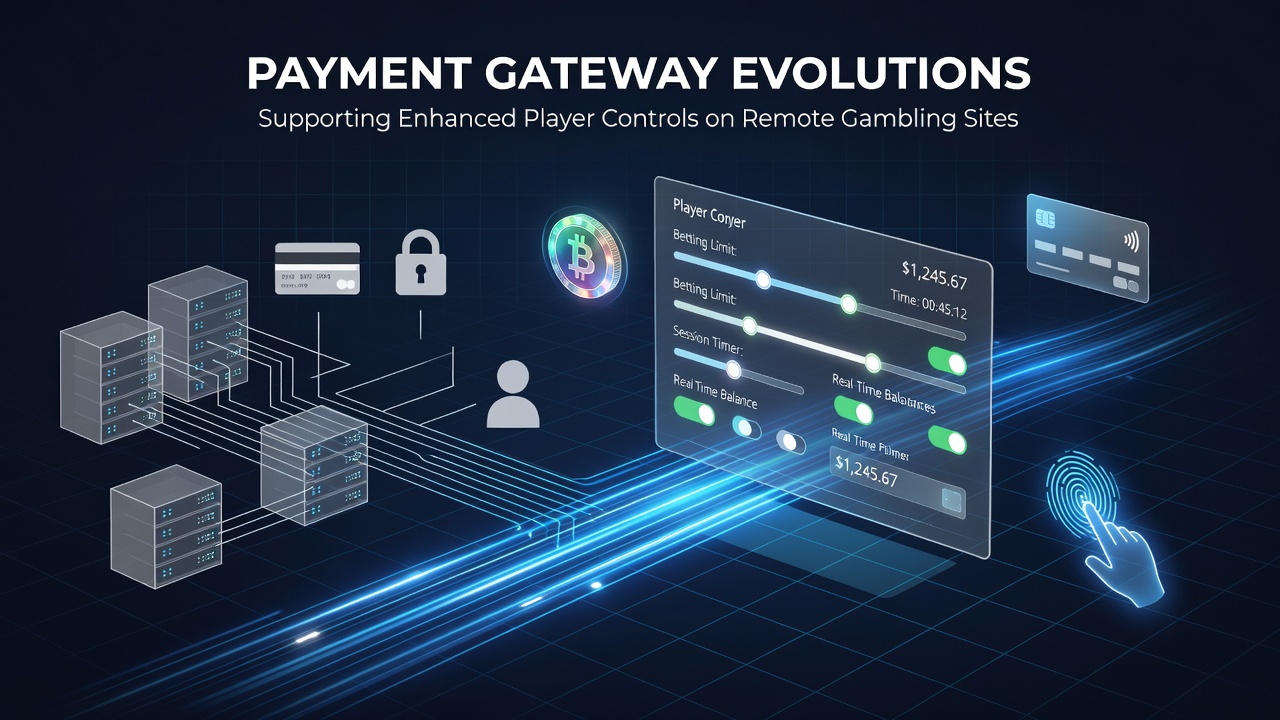
Early gateways handled basic card and bank transfers without built-in limits, yet newer versions incorporate real-time spending caps, automated loss alerts, and seamless links to self-exclusion databases. These features allow players to set deposit thresholds at the payment stage rather than after the fact, which reduces the window for impulsive actions during live sessions.
Core Technical Shifts in Gateway Architecture
Developers replaced static APIs with dynamic modules that pull player preference data from operator databases before authorizing each transfer, and this integration lets gateways enforce daily or weekly limits without additional user input once preferences are stored. Industry reports indicate that modular designs also support instant reversals when accounts flag potential harm indicators, a process that previously required manual review and multiple business days.
Tokenization now pairs with behavioral analytics so that repeated small deposits trigger soft interventions such as cooling periods, while larger single transactions route through verification layers that confirm player-set boundaries remain intact. Observers note that these layers operate across multiple jurisdictions because gateways standardize compliance checks regardless of the operator's primary license location.
Player Control Features Embedded at Transaction Level
Deposit limit tools sit inside the payment flow itself, which means a player who reaches a pre-set threshold receives an automatic block instead of a post-transaction notification. Loss-limit mechanisms calculate net position across linked accounts and halt further funding when thresholds activate, and researchers at the University of Nevada have documented how such embedded controls correlate with shorter average session durations in controlled trials.
Real-time dashboards within the gateway interface display cumulative spend alongside remaining limits, while optional push notifications arrive via the payment app rather than the gambling site to maintain separation between financial decisions and gameplay. Payment providers also introduced temporary pause buttons that freeze all outgoing transfers for 24 or 48 hours, a function activated directly through the gateway account without requiring site navigation.
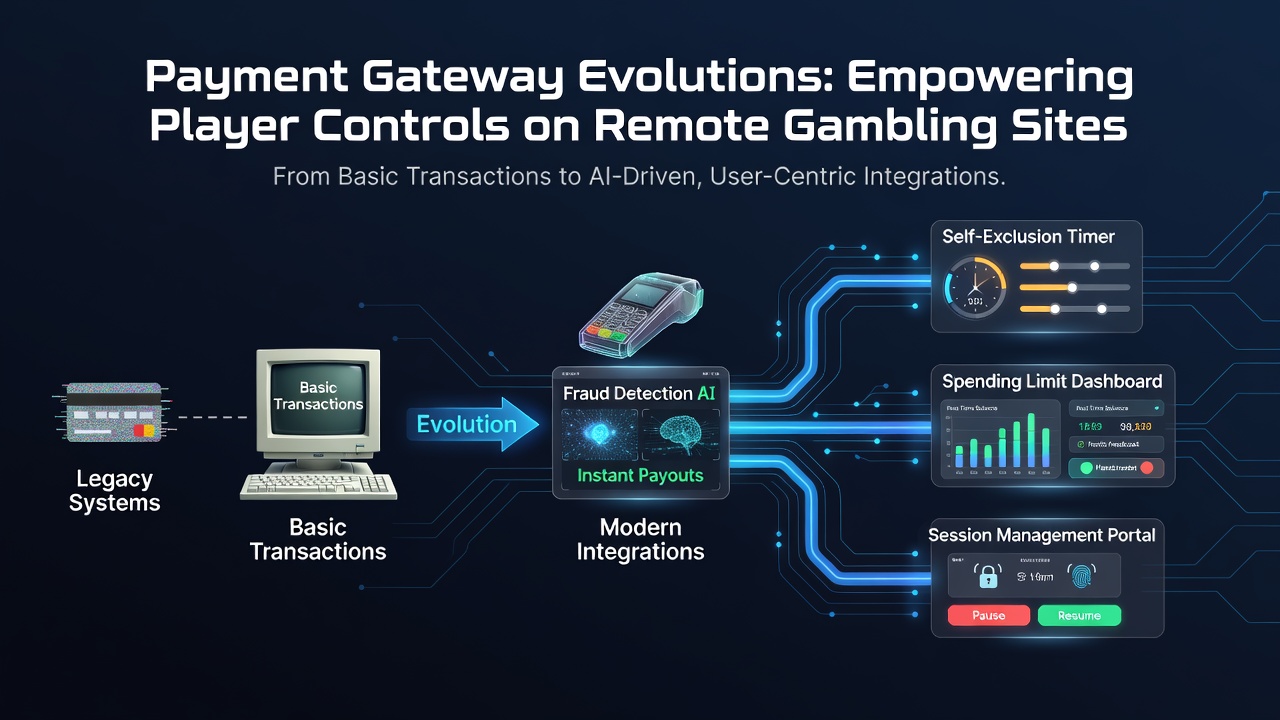
Digital wallets integrated with these gateways extend the same controls to mobile environments, where biometric confirmation combines with spending rules to prevent unauthorized changes during active play. Figures from Australian regulatory sources reveal that wallet-linked accounts showed higher adherence to voluntary limits compared with direct card funding methods in the first half of 2026.
Regulatory Alignment and Cross-Border Standards
Payment gateways must now meet varying requirements from bodies such as the Nevada Gaming Control Board and European national authorities, which has driven the creation of configurable compliance layers that adjust based on player location. These layers automatically apply the strictest applicable rules when accounts span multiple regions, reducing the need for operators to maintain separate payment stacks.
Industry organizations report that standardized data fields for limit preferences now travel with each transaction token, enabling consistent enforcement even when players switch between desktop and mobile or between different licensed sites. This portability emerged as a key requirement following multi-jurisdiction audits conducted in late 2025.
Impact on Remote Gambling Operations
Operators that upgraded gateways early recorded fewer chargebacks tied to disputed gambling losses, and transaction success rates remained stable because the added control steps occur before authorization rather than after. Case examples shared at trade conferences show that sites using enhanced gateways experienced smoother audits since transaction logs already include limit status and player acknowledgments.
Smaller operators gained access through white-label gateway providers that bundle control features into base packages, lowering the technical barrier that previously favored larger platforms. As of October 2026 these providers continue to roll out incremental updates focused on faster limit adjustments and clearer visual cues within payment interfaces.
Conclusion
Payment gateway evolution has placed financial controls at the point of transaction, which gives remote gambling participants direct mechanisms to manage activity without leaving the payment environment. Continued refinement of these systems depends on data sharing between gateways, operators, and regulatory bodies across regions, and ongoing technical work focuses on reducing friction while preserving the protective functions now embedded in the payment layer.