Loyalty Programs Steering Spending Cycles for Regular Bingo Participants in the UK
Wendy Hughes · Aug 8, 2026
Loyalty Programs Steering Spending Cycles for Regular Bingo Participants in the UK
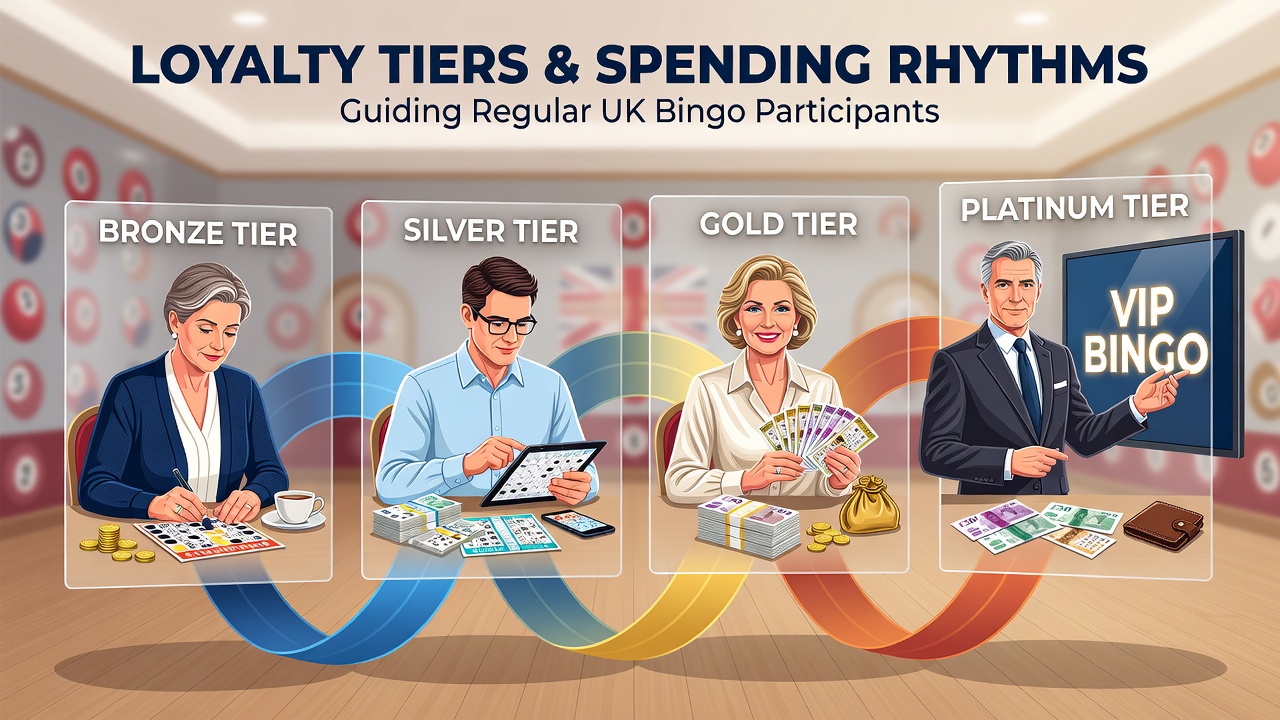
Loyalty tiers operate as structured reward ladders that shape how regular bingo participants allocate their spending over time, with points accumulation tied directly to session frequency and stake levels. Data from industry tracking in 2026 shows participants often adjust their weekly outlays to maintain or advance through bronze, silver, gold, and platinum categories, creating predictable rhythms around tier reset dates. These systems reward consistent attendance while encouraging incremental increases in play volume once a player nears the next threshold.
Mechanics of Tier Progression and Points Systems
Bingo operators assign points based on spend per session, with multipliers applied during promotional periods or for specific game types. A participant at the silver tier might require 5,000 points monthly to reach gold status, where benefits expand to include free entries and priority access to high-stake rooms. Researchers tracking behavior note that players frequently schedule additional sessions in the final week of each cycle to secure their status, a pattern that repeats across multiple venues. This structure links expenditure directly to calendar milestones rather than random impulses.
Observed Spending Patterns Among Frequent Players
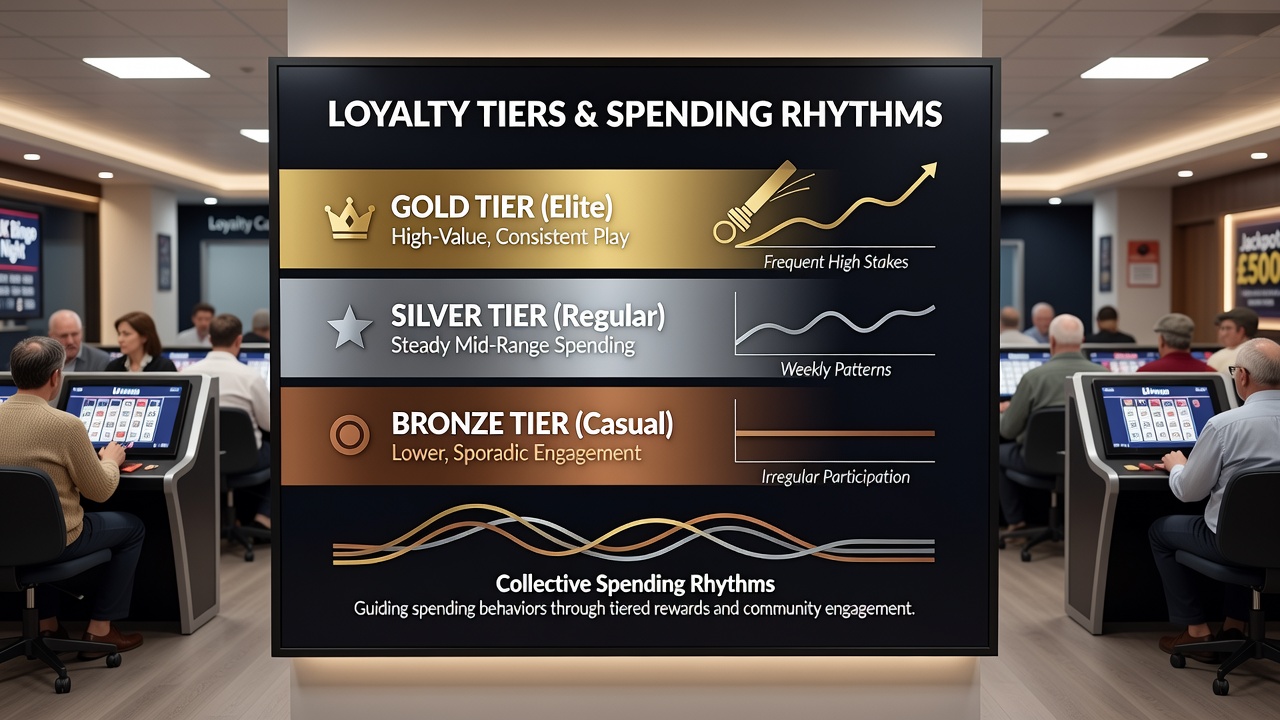
Regular attendees demonstrate clear monthly cycles where spending accelerates toward month-end to protect tier standing, followed by steadier outlays once the threshold clears. Studies of electronic bingo terminals reveal average spend per visit rises by 18 percent in the days immediately before tier reviews, according to figures released by the Malta Gaming Authority. Participants at mid-tier levels show the strongest response, balancing extra games against the risk of dropping back. And the pattern holds across both land-based halls and online platforms, where digital point trackers make progress visible in real time.
Take one group of players in northern England who increased their average ticket purchases from four to six per week during August 2026 to preserve gold status ahead of a seasonal bonus period. Their combined spend data aligned with broader industry reports indicating similar adjustments nationwide. Observers note these rhythms become embedded habits, with many participants planning leisure time around loyalty deadlines instead of external events.
Regional Variations and Platform Differences
Urban venues in London and Manchester report higher point thresholds for top tiers compared with smaller regional sites, leading participants to concentrate play at fewer locations to maximize accumulation speed. Online platforms meanwhile offer cross-game bonuses that blend bingo with slots, allowing points from multiple activities to feed the same tier ladder. This flexibility alters spending distribution, as some regular players shift portions of their budget toward hybrid games when bingo-specific multipliers fall short. Evidence from Canadian provincial gambling reports highlights parallel behaviors among loyalty program members, where tier maintenance drives consistent weekly engagement regardless of location.
Impact on Session Length and Game Selection
Once locked into a tier, participants often extend session lengths to utilize included perks such as bonus rounds or discounted tickets, which in turn sustains higher overall spend. Data indicates gold-tier members select premium-priced games more frequently than entry-level players, partly because the tier benefits offset the higher per-game cost. Yet the initial push to reach those benefits creates the clearest spending spikes, concentrated around quarter-end reviews that align with operator financial reporting cycles. Academic analyses from the University of Sydney's gambling research unit document comparable loyalty-driven adjustments in other jurisdictions, confirming the pattern extends beyond the UK market.
Operators refresh tier benefits periodically, and players respond by recalibrating their budgets to chase newly introduced rewards. This ongoing adjustment keeps spending rhythms dynamic rather than static, with noticeable upticks following each benefit announcement. The process repeats across demographic groups, though younger participants show faster adaptation to digital point tracking compared with those preferring paper cards.
Conclusion
Loyalty tier structures continue to organize spending into recurring cycles for regular UK bingo participants, linking point targets to calendar events and reward announcements. The resulting patterns appear in both attendance records and expenditure reports, shaped by the mechanics of progression and the visibility of progress. As platforms refine these systems, the connection between tier status and weekly or monthly outlays remains a defining feature of sustained participation.