Integrated Reward Pathways Emerging in Digital Poker-Bingo Hybrids
Clara Wagner · Aug 5, 2026
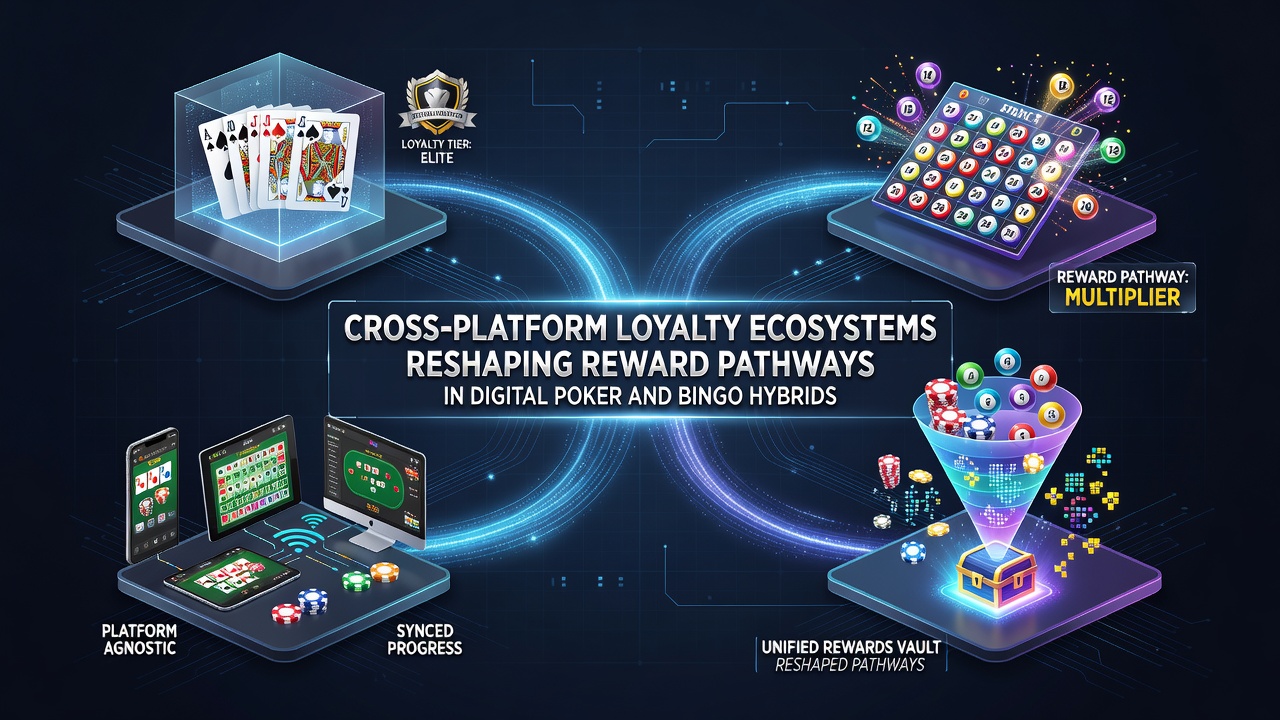
Integrated Reward Pathways Emerging in Digital Poker-Bingo Hybrids
Digital platforms that combine poker mechanics with bingo elements have begun to adopt unified loyalty systems that track player activity across separate game types and operators, allowing points earned at virtual tables to convert directly into rewards in hybrid bingo formats. This approach connects what were once isolated reward structures, creating pathways where a sequence of hands in poker can unlock multipliers for bingo card purchases or bonus rounds on the same account profile. Data from industry monitoring groups shows these integrations gained traction through 2025 and into mid-2026 as operators sought to maintain engagement levels amid expanding mobile options.
Mechanics of Cross-Platform Point Accumulation
Players accumulate loyalty units through standard play in poker rooms, where each completed hand or tournament entry adds to a central balance that operators then make available for use in bingo hybrids featuring speed rounds and progressive jackpots. Systems often apply tiered conversion rates based on activity volume, so consistent poker participation over several sessions can generate higher-value credits when transferred to bingo-style games that blend number draws with card combinations. Operators implement these transfers through shared databases that update in real time, reducing the need for separate logins or manual redemptions.
Research from the American Gaming Association indicates that such unified ledgers appeared in roughly 35 percent of hybrid gaming offerings by August 2026, with adoption rates highest among platforms operating in multiple jurisdictions. Those who've examined the structures note that conversion algorithms factor in game-specific risk levels, adjusting point values so that high-stakes poker sessions yield proportionally larger bingo incentives without creating imbalances in overall platform economics.
Regional Variations in Implementation
European operators have emphasized regulatory-compliant tracking that logs every point transfer for audit purposes, whereas North American platforms focus on seamless mobile handoffs between poker apps and bingo hybrids. Australian regulatory reviews, including reports from state-level gaming authorities, highlight how these ecosystems support responsible play features by capping transferable points per calendar month. In Canada, provincial frameworks such as those managed by iGaming Ontario have required operators to display conversion rates clearly before any points move between game categories.
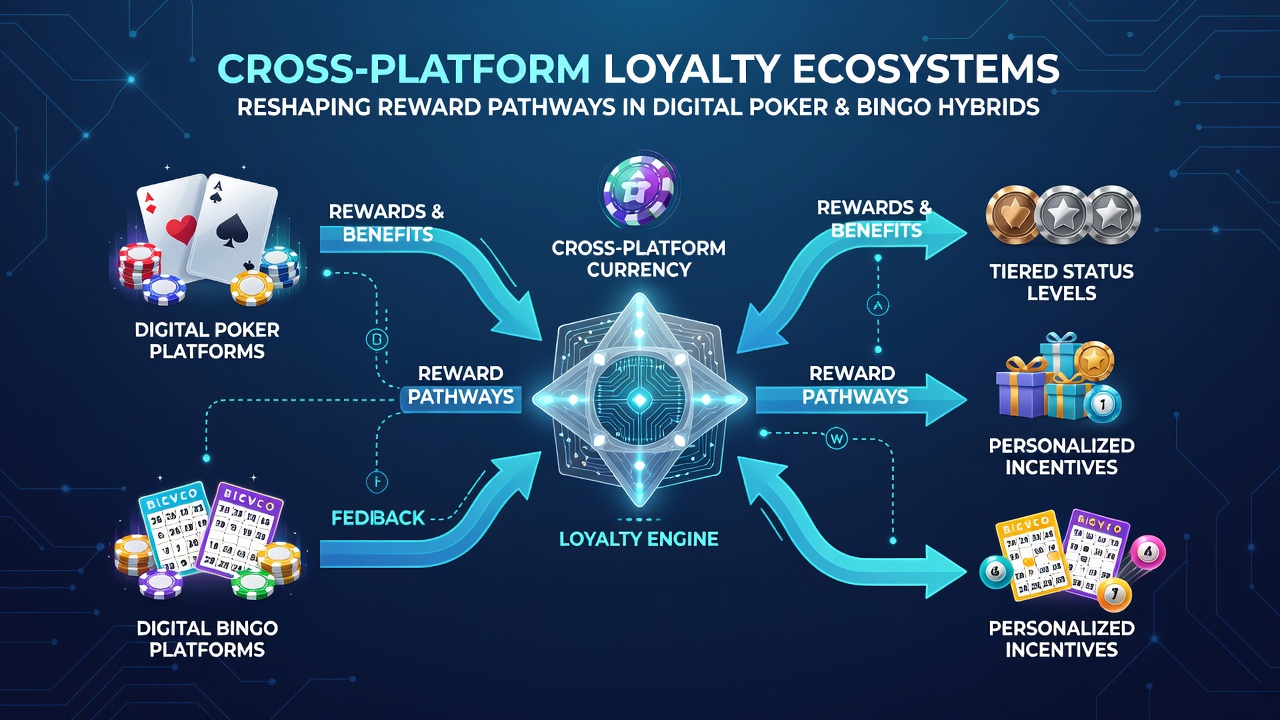
One study released by the University of Nevada's International Gaming Institute examined transaction logs from 2025 and found that cross-platform redemptions increased average session duration by linking otherwise separate game loops. Observers note that this occurs because players who start in poker often continue into bingo hybrids once their accumulated points appear as available credits, creating extended engagement sequences without additional deposits.
Technical Infrastructure Supporting Transfers
Backend systems rely on API connections between poker engines and bingo randomizers to verify point validity at the moment of transfer, preventing duplication or unauthorized movement of balances. Encryption protocols protect the data streams that carry player identifiers and point totals across different game servers, while automated reconciliation routines run nightly to match records between platforms. Developers have incorporated fallback mechanisms that pause transfers if network latency exceeds set thresholds, ensuring accuracy during peak usage periods common in evening hours across time zones.
Figures from trade association reports reveal that platforms adopting these infrastructures reported lower player churn rates compared with those maintaining separate loyalty silos. The pattern holds across both established operators and newer entrants that launched hybrid titles in 2026.
Player Behavior Patterns Observed
Analytics dashboards used by operators show that users who engage with both poker and bingo hybrids through unified accounts tend to explore additional game variants once initial points convert successfully. This exploration often includes trying new hybrid formats that combine draw poker elements with bingo number matching, as the shared reward balance lowers the perceived cost of experimentation. Data sets collected through 2025 and the first half of 2026 indicate that peak conversion activity occurs mid-week, when promotional multipliers on transferred points are active.
Take one case where platform logs documented a measurable uptick in bingo hybrid entries following poker tournament finishes, with the conversion feature serving as the direct trigger. Researchers tracking these sequences have documented similar patterns across jurisdictions that permit remote play, suggesting the effect stems from the structural linkage rather than regional preferences alone.
Conclusion
Cross-platform loyalty ecosystems continue to evolve as operators refine conversion algorithms and expand compatibility between poker environments and bingo hybrids. The technical and regulatory frameworks now in place support consistent point movement while maintaining transparency for participants. As of August 2026, available metrics point to sustained integration efforts across multiple markets, with ongoing adjustments to accommodate new hybrid game releases and shifting player preferences documented in industry and academic sources.