How Machine Learning Algorithms Refine Risk Profiles for Remote Betting Participants
Wendy Hughes · Aug 12, 2026
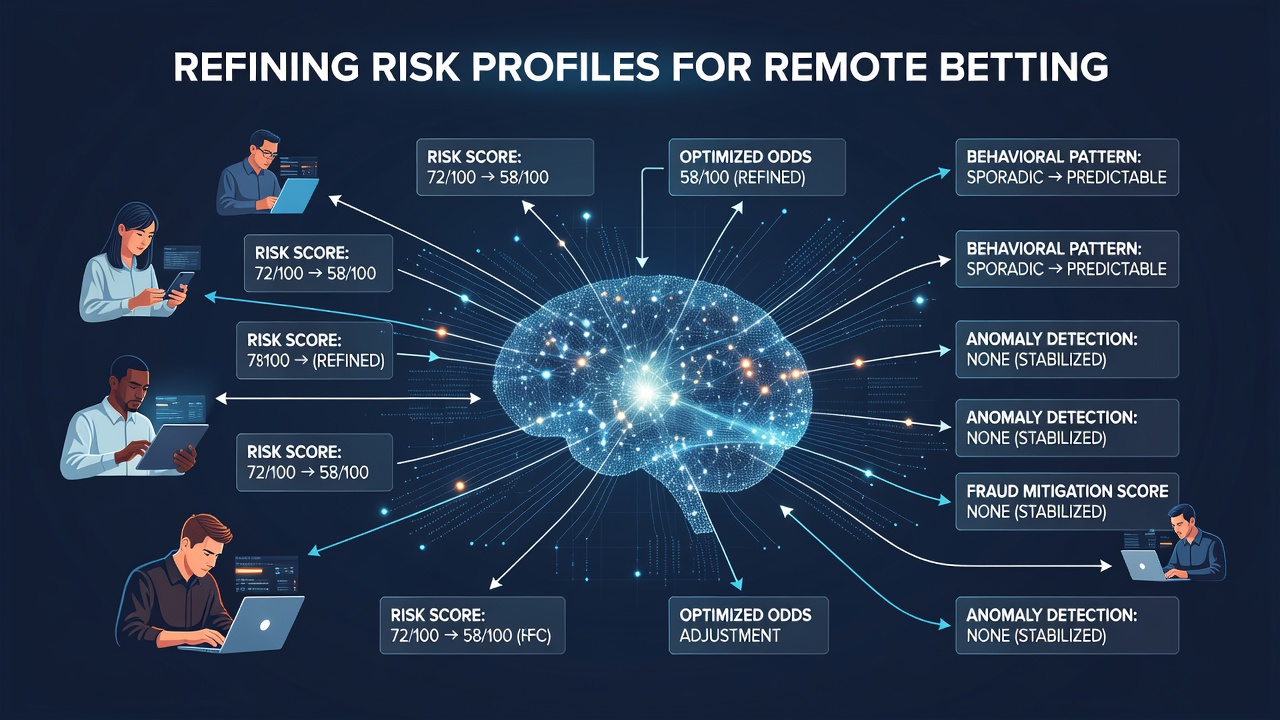
Remote betting platforms rely on detailed participant profiles to manage potential issues before they escalate, and machine learning systems have become central to this process. These algorithms process vast amounts of behavioral and transactional data in real time, allowing operators to adjust risk scores dynamically rather than relying on static thresholds. Patterns such as rapid deposit increases, unusual session durations, and shifts in stake sizes feed into models that flag accounts for closer review. Operators collect inputs from multiple sources including login frequency, payment method changes, and interaction with responsible gambling tools. Supervised learning techniques train on historical records where outcomes like account restrictions or self-exclusion requests are already known. This training enables the system to assign probability scores to new activity streams. Unsupervised methods complement the approach by detecting clusters of similar behavior that deviate from established norms across large user groups.Data Inputs Driving the Models
Transaction logs form the backbone of these profiles, yet algorithms also incorporate device fingerprints, geolocation consistency, and time-of-day preferences. When a participant suddenly accesses accounts from new locations while increasing bet volumes, the model recalculates risk within seconds. Research from the University of Nevada Reno shows how combining these variables improves detection accuracy compared with rule-based systems alone.
Behavioral telemetry such as mouse movement speed, page scroll patterns, and response times to bonus offers adds another layer. These micro-interactions help distinguish between casual and potentially problematic engagement without requiring direct user input. Data indicates that models incorporating telemetry achieve higher precision in identifying accounts that later trigger intervention protocols.
Algorithm Types in Use
Gradient boosting frameworks and neural networks handle the classification tasks most frequently. Gradient boosting excels at ranking feature importance, revealing which signals contribute most to elevated risk scores at any given moment. Neural networks capture nonlinear relationships across dozens of variables that simpler statistical methods overlook. Ensemble approaches combine outputs from multiple models to reduce false positives, a common challenge when monitoring thousands of simultaneous sessions.
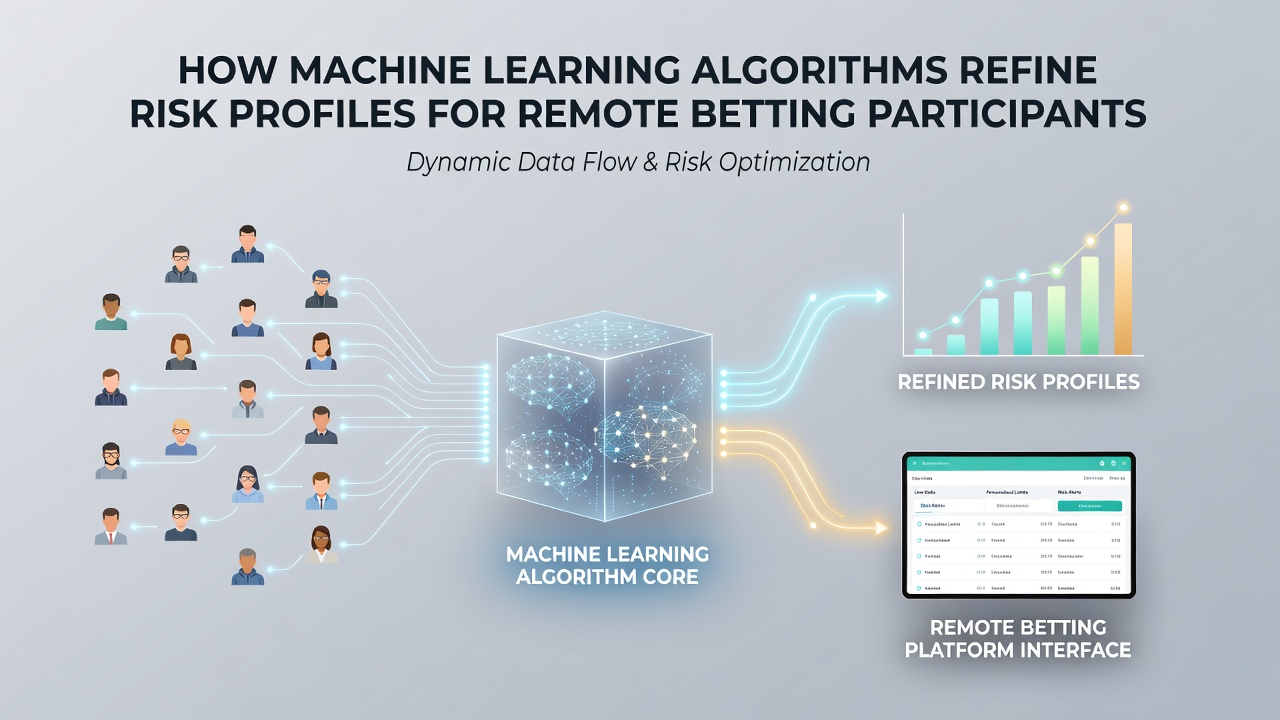
Reinforcement learning variants appear in some advanced deployments where the system learns optimal timing for sending reality checks or deposit limit prompts. The model receives feedback from subsequent user behavior, refining its policy over successive interactions. Observers note that this adaptive capability keeps pace with evolving participant strategies that static rules cannot address.
Implementation Across Platforms
Integration occurs through APIs that connect directly to core betting engines, pulling fresh data streams every few seconds. Risk scores update continuously, and thresholds trigger automated actions such as temporary stake caps or mandatory cooling-off periods. As of August 2026, several major operators report deploying these systems across both sports and casino verticals, achieving measurable reductions in high-risk account persistence rates.
Collaboration with external data providers further enriches profiles. Credit bureau signals, where permitted by jurisdiction, and cross-operator sharing arrangements supply additional context. The American Gaming Association has documented how such partnerships strengthen early-warning capabilities while maintaining compliance with varying regional standards.
Regulatory and Operational Context
Regulators in multiple jurisdictions require documented evidence that risk-profiling tools function as intended. Operators must demonstrate audit trails showing how individual scores were derived and what actions followed. Third-party testing firms evaluate model fairness to guard against unintended bias across demographic segments. These requirements drive continuous retraining cycles that incorporate fresh outcome data and adjust feature weights accordingly.
Performance metrics tracked include precision-recall balance, time-to-detection, and downstream impact on participant retention after interventions. Reports from the Canadian Centre on Substance Use and Addiction highlight similar metrics in evaluations of digital harm-minimization tools, underscoring the value of transparent validation processes.
Conclusion
Machine learning continues to evolve the precision of risk profiles used in remote betting environments. By integrating diverse data streams and adaptive algorithms, platforms achieve more responsive monitoring than earlier generations of systems permitted. Ongoing refinements in feature engineering and model governance support both operational efficiency and regulatory expectations across global markets.