Deposit Verification Dynamics: Connecting Wallet Selections with Player Retention Across Poker and Bingo Platforms
Clara Wagner · Aug 19, 2026
Deposit Verification Dynamics: Connecting Wallet Selections with Player Retention Across Poker and Bingo Platforms
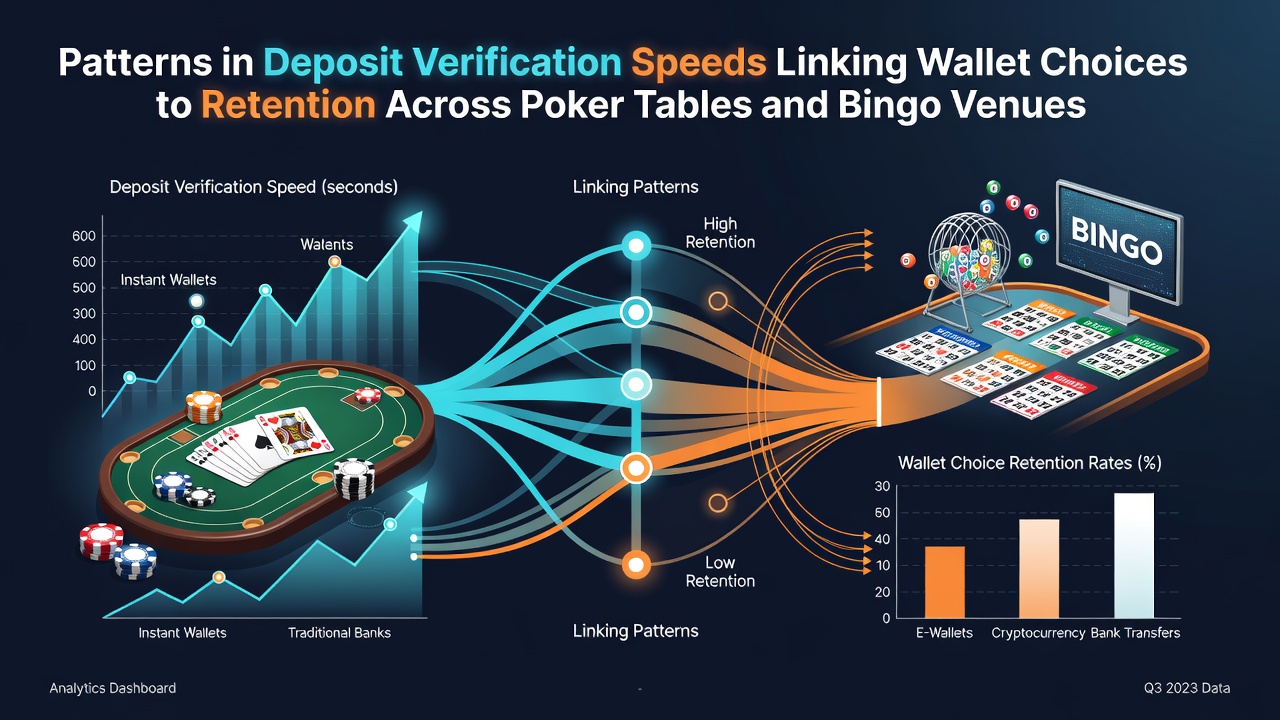
Deposit verification speeds vary considerably depending on the wallet selected by players, and recent patterns show direct connections to how long participants stay active at poker tables and bingo venues, with data from multiple regions indicating measurable differences in session continuity and return rates throughout 2025 and into August 2026. Observers note that faster verification often correlates with higher retention because players encounter fewer interruptions during entry points, whereas slower processes lead to drop-offs at the initial funding stage, particularly when users switch between platforms offering poker tournaments and bingo sessions.
Wallet Options and Their Verification Timelines
Digital wallets such as e-wallets, bank transfers, and prepaid options each carry distinct processing durations, with studies from institutions like the National Council on Problem Gambling revealing that instant or near-instant methods reduce abandonment rates by streamlining the transition from deposit to play. Those who've examined transaction logs across poker sites and bingo platforms find that wallets requiring additional security checks, including multi-factor authentication or manual reviews, extend verification windows from seconds to several minutes, and this extension frequently disrupts momentum for participants who prefer quick entry into fast-paced poker hands or bingo rounds. Data indicates that regions outside the UK, including parts of North America and Australia, report similar trends where wallet choice influences whether a player completes the deposit and proceeds to active tables or halls.
Observed Patterns at Poker Tables
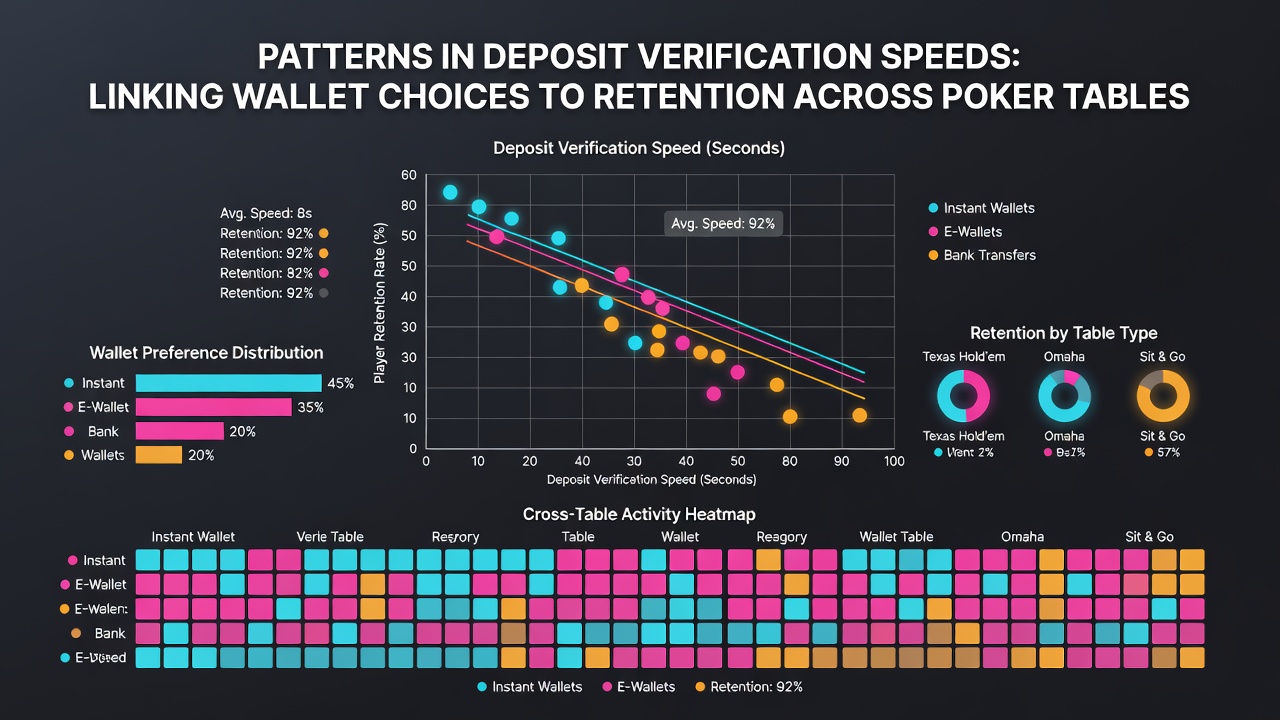
At poker tables, retention metrics shift noticeably based on verification speed, with researchers discovering that wallets enabling sub-30-second approvals maintain higher repeat participation compared to those averaging two minutes or more, because players can re-enter tournaments or cash games without losing focus or facing queue delays. One analysis of operational records showed that when verification stretched beyond a minute, session lengths shortened by noticeable margins, while faster options allowed seamless top-ups during breaks between hands, sustaining engagement across evening and weekend peaks. Experts have observed that this pattern holds across both casual low-stakes tables and higher-limit rooms, where the friction from delayed funds prompts some participants to exit entirely rather than wait, leading to measurable differences in daily active user counts tied directly to wallet infrastructure.
Retention Trends in Bingo Venues
Bingo venues display parallel connections between wallet selection and retention, although the social and scheduled nature of games introduces slight variations, as slower verification can cause players to miss number calls or community jackpots, prompting switches to alternative platforms with quicker options. Figures from industry reports compiled by groups such as the Australian Institute of Criminology highlight that venues incorporating instant-verification wallets experience steadier return rates week to week, whereas those relying on slower methods see greater fluctuation in attendance during peak sessions, with data from August 2026 underscoring how cumulative delays compound into lower loyalty over monthly cycles. Participants often migrate toward bingo operators that integrate wallets with automated approvals, reducing the likelihood of abandoning a card purchase mid-process and preserving the continuous flow that characterizes extended play periods.
Cross-Platform Correlations and Data Insights
Cross-platform data reveals that players who consistently choose faster-verifying wallets demonstrate elevated retention across both poker tables and bingo venues simultaneously, because the reduced cognitive load from quick funding encourages habitual returns rather than sporadic visits, with longitudinal tracking showing increases in weekly activity when verification stays under one minute. Research indicates that mixed-wallet users, those alternating between instant and delayed methods, exhibit intermediate retention levels, suggesting the cumulative effect of even occasional slowdowns influences long-term platform loyalty. In August 2026, aggregated operational statistics from various operators pointed to verification speed as a stronger predictor of sustained engagement than bonus structures or game variety alone, particularly when comparing cohorts using bank-linked wallets versus standalone e-wallet solutions.
Additional patterns emerge when examining geographic and demographic splits, where younger cohorts gravitate toward wallets with biometric or app-based approvals that complete in seconds, resulting in tighter retention curves at both poker and bingo offerings, while older groups sometimes accept moderate delays if the wallet integrates with familiar banking apps. Observers note that these dynamics appear consistent whether the environment involves real-money stakes or promotional play, underscoring how technical infrastructure around deposits shapes behavioral continuity more than promotional incentives in many documented cases.
Conclusion
Patterns linking deposit verification speeds to wallet choices and retention continue to surface across poker tables and bingo venues, with evidence from multiple data sources demonstrating that quicker approvals support steadier participation while extended timelines correlate with higher exit rates at the funding stage. Those tracking industry metrics emphasize that wallet infrastructure remains a foundational element influencing player pathways, and ongoing monitoring through 2026 shows these connections holding across different operational scales and regional markets. Continued examination of transaction and retention datasets will likely refine understanding of how these variables interact over extended periods.