Algorithmic Personalization and Session Management Tools Shape Hybrid Gaming Platforms
Katja Albrecht · Aug 10, 2026
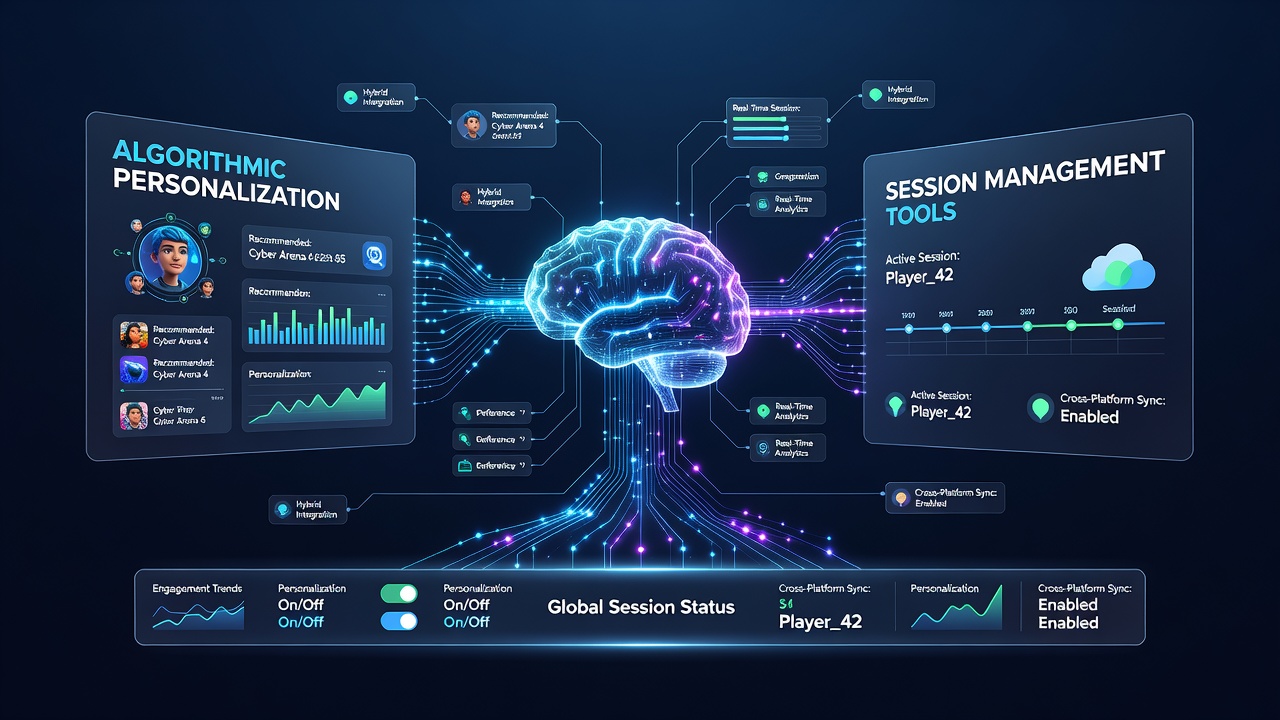
Algorithmic Personalization and Session Management Tools Shape Hybrid Gaming Platforms
Hybrid gaming platforms combine elements of casino games, sports betting, and interactive titles across desktop, mobile, and tablet interfaces, and algorithmic personalization drives much of the user experience on these systems. Data from user interactions feeds into machine learning models that adjust game suggestions, bonus offers, and interface layouts in real time, while session management tools monitor duration, spending patterns, and device switches to enforce limits or prompt breaks. Researchers at institutions such as the University of Nevada, Las Vegas have documented how these two systems operate together, creating feedback loops that respond to individual behavior across multiple game types and access points.
Core Components of Algorithmic Personalization
Personalization engines collect signals including past game selections, time of day, device type, and win-loss ratios, then apply clustering techniques to group users into segments for targeted content delivery. According to a 2025 industry report from the European Gaming and Betting Association, platforms using these models saw a 23 percent increase in session frequency among users who received tailored recommendations compared with control groups. The algorithms update continuously as new data arrives, so a player who switches from slots to live dealer tables on a tablet might see different menu priorities on their next desktop login. Session management integrates directly with this process by supplying duration and activity timestamps that refine the personalization rules, allowing systems to deprioritize high-volatility games for users whose recent sessions exceeded average lengths.
Session Management Mechanisms Across Devices
Session tools track login events, cross-device continuity, and predefined thresholds for time or spend, then trigger actions such as reality checks or temporary lockouts. These functions operate through centralized user accounts that maintain state across platforms, so a session started on a smartphone can resume with the same personalized settings on a laptop. Data indicates that hybrid platforms implementing unified session controls reduced average session length by 14 percent in markets where regulators required such features, according to figures released by the Australian Communications and Media Authority in early 2026. The interplay becomes evident when personalization algorithms receive session data and adjust future offers accordingly, for instance by suggesting shorter, lower-stake games after extended play periods.
Integration in Hybrid Environments
Hybrid platforms host multiple game categories within a single account ecosystem, and the combination of personalization and session tools creates consistent experiences whether users play bingo-style titles, fast-fold poker variants, or sports markets. One study from the Canadian Centre for Gaming Research examined three major operators and found that integrated systems detected device switches in under two seconds, then applied the same personalization profile while resetting session timers for the new interface. This synchronization prevents users from bypassing limits by moving between devices and allows algorithms to factor in total daily activity rather than isolated sessions. Observers note that such integration supports compliance with varying regional rules, since session data can be exported to regulatory dashboards without exposing proprietary recommendation logic.

Payment method choices also feed into these systems, with session tools recording deposit frequency and personalization engines surfacing preferred wallet options during subsequent logins. In August 2026 several operators updated their platforms to include real-time spend visualization within the same dashboard that displays personalized game carousels, linking financial tracking directly to recommendation engines.
Technical and Regulatory Considerations
Developers face challenges in balancing algorithmic complexity with transparent session controls, because overly aggressive personalization can conflict with mandatory break prompts. Industry reports show that platforms using modular architectures separate the recommendation layer from the session enforcement layer, allowing independent updates when regulations change. Those who've studied data flows across these systems report that latency remains under 150 milliseconds when both components share a common user profile database, preserving seamless play during device transitions. External audits often examine how session data influences personalization weights, ensuring that limit-setting features retain priority over engagement metrics.
Conclusion
The interplay between algorithmic personalization and session management tools continues to define how hybrid gaming platforms deliver experiences across devices and game types. Data from multiple regulatory and research sources demonstrates measurable effects on user behavior, session patterns, and cross-platform consistency, while technical implementations focus on secure data sharing and modular design. As platforms evolve through 2026 and beyond, these combined systems will likely incorporate additional signals such as biometric indicators and expanded payment integrations, provided they maintain alignment with established session safeguards.